
2026 CONFLICT WATCH
Security Brief: Network Of Medical Doctors In Iran Reports an Estimate of 16,500 Deaths Amid The Ongoing Unrest
Location: Iran Situation: Network Of Medical Doctors In Iran Reports an Estimate of 16,500 Deaths Amid The Ongoing Unrest Threat Level: Critical Security Brief: Reports from a network of medical doctors in Iran allege that an estimated 16,500 protesters died and 330,000 were injured during the ongoing unrest. According to these reports, injuries are reportedly consistent with gunshot wounds, beatings, and physical abuse, resulting in fatalities, severe eye trauma, and permanent disabilities. Iranian authorities have officially acknowledged 5,000 deaths, claiming the violence is related to the ongoing unrest. A nationwide internet shutdown is likely limiting independent verification of casualties. Therefore, the confirmed death toll remains uncertain and may exceed official statistics. The casualty estimates provided by the medical network cannot be independently verified due to restricted access.
Security Brief: Nationwide Internet Shutdown in Iran Amid Ongoing Protests
Location: Iran Situation: Nationwide Internet Shutdown in Iran Amid Ongoing Protests Threat Level: Critical Security Brief: The Iranian government imposed a nationwide internet shutdown in response to the ongoing protests across the country, describing the measure as necessary to maintain public order and national security. Similar internet and telecommunications restrictions have been imposed during previous public unrests linked to political, economic, social, and human rights issues. The shutdown has disrupted domestic and international communications and is very likely to have restricted protest activities and information dissemination within and outside the country. Several reports of fatalities also suggest it is highly likely that the shutdown has impeded the verification of casualties and reduced the overall transparency on the ground. The internet shutdown has also left Iranians abroad with limited or no means to contact family members and relatives inside the country.
Security Brief: Iran’s 6th Year Of Drought
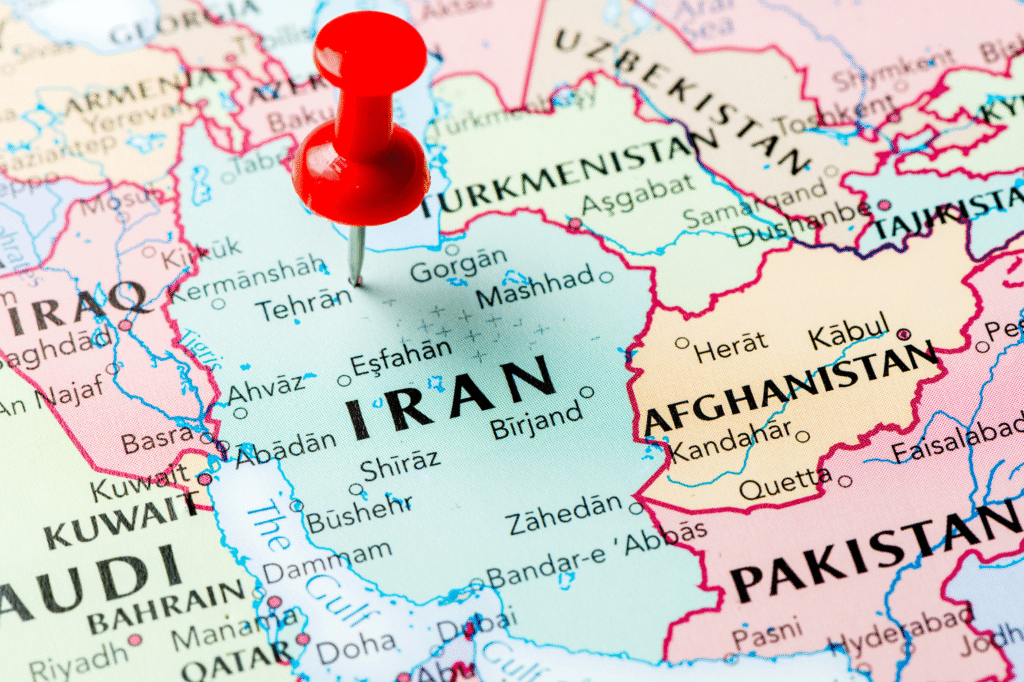
Location: Major urban cities of Tehran, Isfahan, Khuzestan, and agricultural regions across the central and southern provinces Situation: Iran’s 6th Year Drought Threat Level: Critical Security Brief: The water shortage in Iran is highly likely to intensify as major reservoirs in Tehran, Isfahan, Khuzestan, and surrounding agricultural regions reach critically low levels. The country is now experiencing its sixth consecutive year of severe drought. Localized public unrest over access to water in urban and agricultural areas is likely. Sustained pressure on agricultural production and rural livelihoods is almost certain. Broader regional tensions over shared water resources are unlikely at present. However, Iraq has expressed concern about reduced flows in rivers shared with Iran, which remain a potential longer-term risk if conditions persist.
Geopolitical Analysis: China’s Trilateral Meeting with Iran and Saudi Arabia
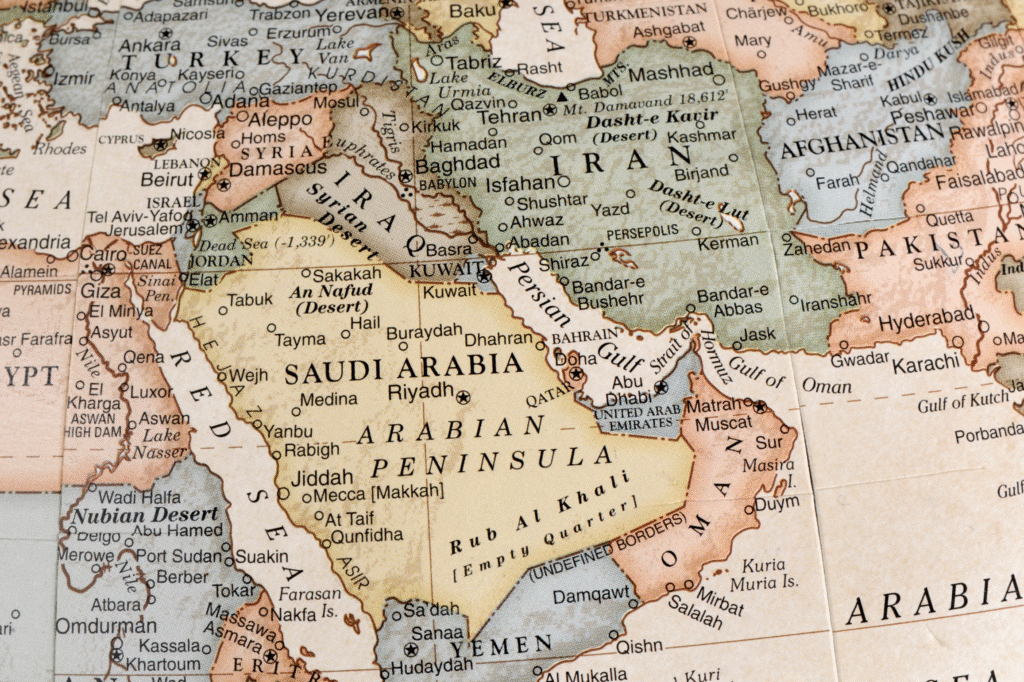
Location: Tehran, Iran Executive Summary: A trilateral meeting involving China, Iran, and Saudi Arabia on December 9, 2025, is a pivotal development in Middle Eastern diplomacy. The trilateral meeting is part of the Beijing Agreement, a 2023 China-mediated initiative aimed at restoring relations between Iran and Saudi Arabia and promoting regional stability, which has significant implications for regional security and Chinese energy interests. Iran and Saudi Arabia expressed their commitment to renewed dialogue and regional de-escalation. They urged an immediate stop to Israel’s actions in Palestine, Syria, Lebanon, and Iran. They expressed support for Yemen’s political and economic progress in line with UN principles. The trilateral meeting failed to address whether the proxy conflict in Yemen, where both Iran and Saudi Arabia historically engaged in strategic rivalry and dominance, will de-escalate or terminate. China’s role as mediator aims to reassure Iran and Saudi Arabia of its commitment to peace, regional security, and stability. Importance Saudi Arabia and Iran’s diplomatic ties, if fully restored through the Beijing Agreement, are essential to the region’s peace, security, and stability. Reducing proxy conflicts in several states, such as Yemen and Lebanon, enhances not only peace within those states but also regional stability and security, enabling conflict de-escalation, political dialogue, and post-conflict civilian rehabilitation. An improved security environment in the region creates a path for economic recovery. In turn, a peaceful, secure, and stable region builds confidence in the global energy supply and reduces the risk of supply disruptions for China’s strategic interests in the Middle East. Analysis Political While the trilateral meeting may open new avenues for dialogue, persistent regional volatility from ongoing conflicts makes its longevity uncertain. A reduction in proxy conflicts is possible but remains uncertain, as local actors may not immediately align with state-level commitments and are likely to pursue their own agenda. The trilateral meeting is unlikely to produce outcomes that alter regional alliances or the international order. Diplomatic The diplomatic ties between Iran and Saudi Arabia will likely improve regional security and stability, although their durability remains uncertain. China is highly likely to remain a mediator between Iran and Saudi Arabia, given its status as the top oil consumer of both states. Security The trilateral meeting will likely reduce the immediate risk of confrontation between Iran and Saudi Arabia; however, the broader security effects of such remain uncertain due to persistent proxy conflicts across the region. The conflict in Yemen will likely continue. Proxy conflicts in Syria and Lebanon will likely continue and pose more security risks in the region. The civilian populations in conflict-affected cities will continue to face humanitarian and security challenges. Regional China’s mediation will likely reduce the United States’ influence in the Middle East; however, the extent of this shift remains uncertain. The United States remains the top supplier of arms to Saudi Arabia, and its military and strategic allies in the region are longstanding. A more multipolar regional order in the Middle East is likely to reshape the geopolitical landscape, with Iran and Saudi Arabia as the competing regional superpowers and the United States and China as external actors in the Middle East. References Iran International. (2025, December 9). Iran says nuclear oversight rules need to be updated for war conditions. Iran International. https://www.iranintl.com/en/202512096593 Salih, H., & Abu Shamala, R. (2025, December 9). Saudi Arabia, Iran, and China call for a comprehensive political solution in Yemen under UN auspices. Anadolu Agency. https://www.aa.com.tr/en/asia-pacific/saudi-arabia-iran-china-call-for-comprehensive-political-solution-in-yemen-under-un-auspices/3766541
Geopolitical Analysis: Access To Alcohol In Saudi Arabia
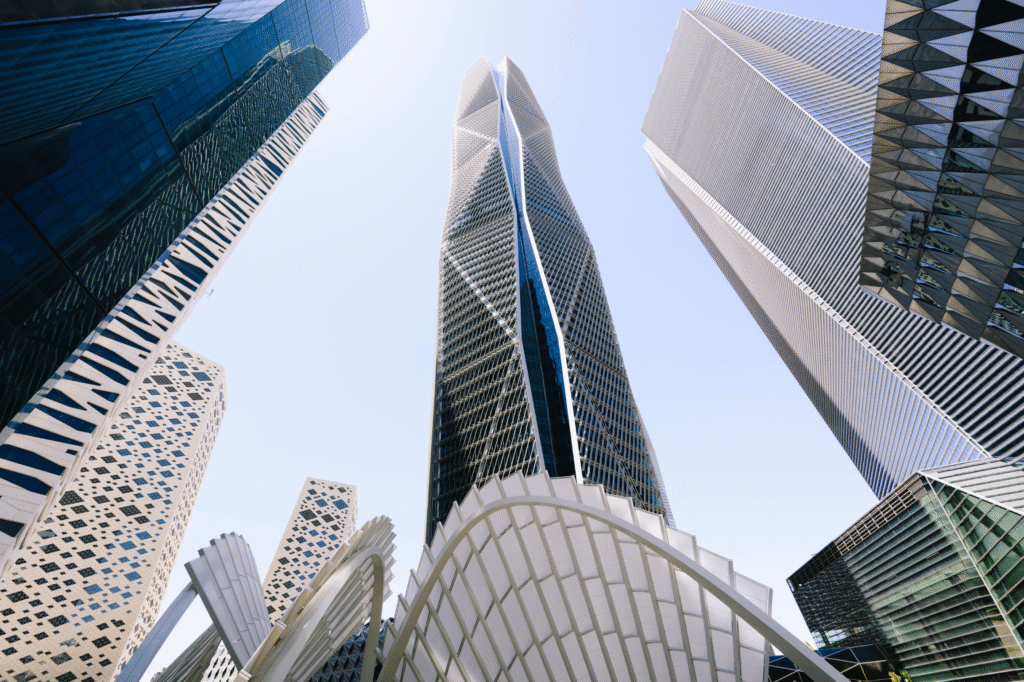
Location: Riyadh, Saudi Arabia Executive Summary: Saudi Arabia has eased its non-tolerance to alcohol, but only for a specific group of high-earning non-Muslims who earn 50,000 riyals per month. They must provide proof of income and a government-issued ID in order to purchase alcohol from the only alcohol store in the country, located in Riyadh. There have been no official statements from the government that make a public law or legalize it. Importance This is part of Saudi Arabia’s easing of social restrictions to strengthen its competitive position in trade, business, investment, and tourism. This change draws economic engagement to the country. Analysis Political Saudi Arabia’s easing of alcohol restrictions is highly likely to support its Vision 2030 with social, economic, and political modernization, but will likely receive criticism from conservatives. Diplomatic A boost in trade, business, investment, and tourism is highly expected, but there are risks of criticism from other Islamic countries and traditional allies. Security It is highly unlikely to create significant security risks; however, security measures must be implemented to avoid social tensions, particularly with incidents while driving under the influence, and trigger opposition from extremist groups. Restrictions on selling to Muslims must continue to be enforced and followed. Regional It could likely influence other countries in the GCC, particularly Kuwait, to adopt this for social modernization, but it will highly likely receive criticism from conservatives. References The New York Times. (2025, December 6). Saudi Arabia opens first legal alcohol store for non‑Muslims in Riyadh. The New York Times. https://www.nytimes.com/2025/12/06/world/middleeast/saudi-arabia-alcohol-riyadh-store.html
Security Brief: Mosque Serving As Refugee Camp Hit By Airstrike In Lebanon
Date: November 19, 2025 Location: Sidon, Yemen Situation: Security Brief: Mosque Serving as Refugee Camp Hit by Airstrike in Lebanon Threat Level: Critical Security Brief: The recent airstrike on a mosque serving as a refugee camp for Palestinians in Lebanon was reported to be an Israeli airstrike targeted at Hamas. The airstrike hit a car in the mosque’s parking lot, killing 13 people and wounding an unknown number. Hamas refuted Israel’s claims that they have a presence in the mosque or its vicinity. The strike has drawn backlash from Palestinian and Lebanese communities and human rights activists and is highly likely to heighten regional tensions and the conflict between Hezbollah and Israel.
Geopolitical Analysis: Iraq’s Upcoming Election
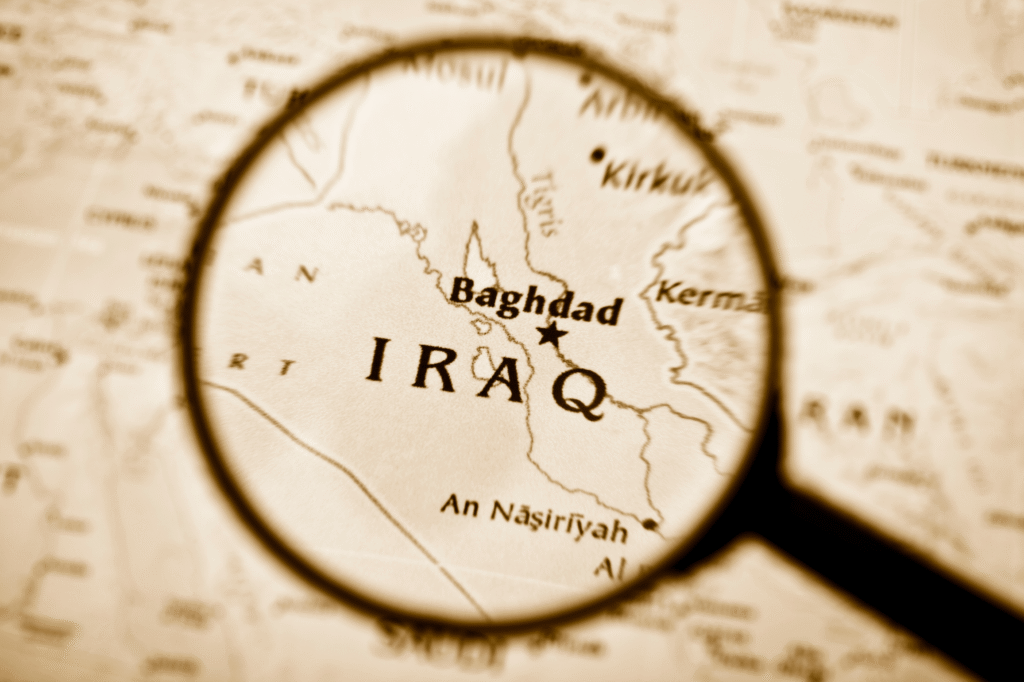
Location: Baghdad, Iraq Executive Summary Iraq is preparing for its parliamentary elections on November 11, 2025. Long-standing Shiite political groups are almost certain to remain as the dominant in Iraq’s political landscape. The current political system, which involves muhasasa, a division of power based on sects (religious and ethnic groups) will almost certainly stay the same. Iran will highly likely remain as an external strong influence in Iraq through political, religious, and militia groups. People want change but reforms are highly unlikely to occur after the elections. Importance The upcoming election may lead to changes in political alliances that dominate the government; however, reforms remain highly unlikely given the country’s political system that is embedded with dysfunctional structures, militia influences, and entrenched political elites. Analysis Political Political violence is highly likely in the pre-election, during the election day, and post-election. There have been recent reports of political assassinations, intimidation, threats, and attacks toward parliamentary candidates. This increases the risk of violence and instability during the election period. While political participation is anticipated; the voter turnout will likely remain low due to widespread skepticism and lack of trust in the electoral process and the election turnout by the citizens. Oppositions are unlikely and are to remain limited or absent. Women’s participation in elections and representation in the legislative body, with specific positions, is insufficiently documented. Diplomatic International support from countries will likely vary; Iran is highly likely to oppose any outcomes that reduce its influence, given that it has strategic interest in maintaining a strong presence within Iraq’s Shiite political factions. International organizations’ support will likely vary; other organizations opposing the current administration will likely raise concerns over human rights abuses, women’s rights, and question the inclusivity of non-muslim communities. Security Security will likely increase its presence during the electoral process, specifically in urban areas with significant populations and those known to be highly vulnerable to sectarian tensions and heavily militarized regions. Interruptions to both digital and non-digital processes during the election are likely to affect the operation’s flow across the country. They will likely prompt concerns about the transparency and legitimacy of the election results. Regional Regional responses will likely align with their political interests and remain unchanged even after the election. Iran, Türkiye, Syria, Saudi Arabia, and Kuwait, countries that have borders with Iraq, are likely to monitor the election process for potential border tensions, violent escalation, and any changes after the election. References Arab Weekly. (2025, October 15). Iraqi parliamentary candidate killed north of Baghdad amid highly-polarised campaign. The Arab Weekly. https://thearabweekly.com/iraqi-parliamentary-candidate-killed-north-baghdad-amid-highly-polarised-campaign Atlantic Council. (2025, October 30). What to expect in Iraq’s 2025 elections [Online event]. Atlantic Council. https://www.atlanticcouncil.org/event/what-to-expect-in-iraqs-2025-elections/
Security Brief: 20 United Nations Staff Detained By The Houthis In Yemen
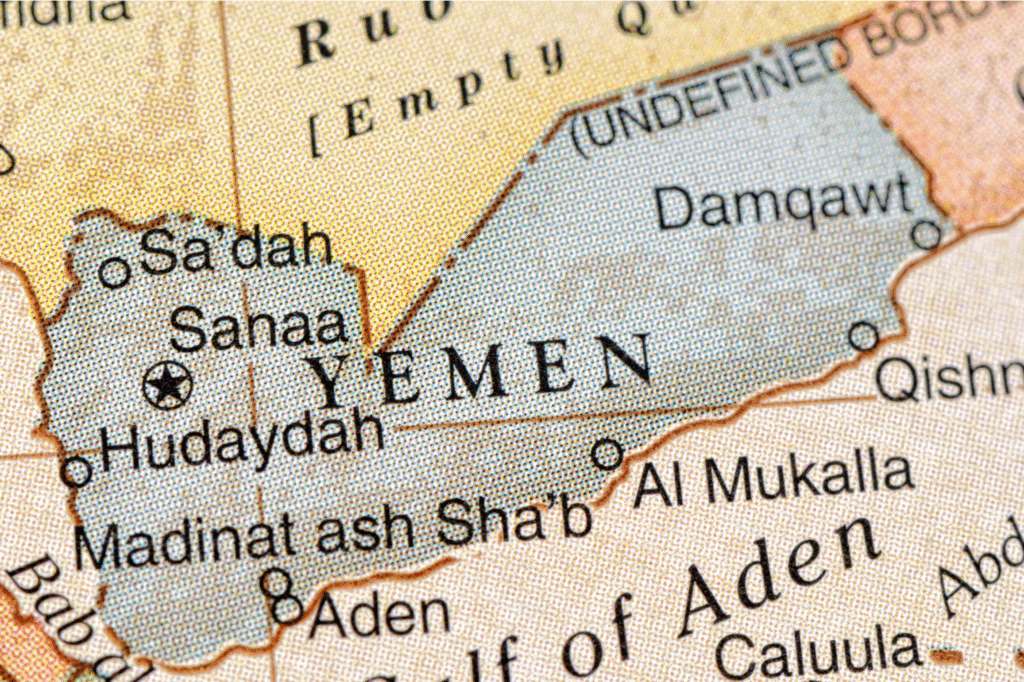
Date: October 19, 2025 Location: Sanaa, Yemen Situation: 20 United Nations Staff Detained By The Houthis In Yemen Threat Level: Critical Security Brief: Yemen’s Houthi rebels have illegally entered the United Nations office in Sanaa and detained 20 staff. The rebels have accused the staff of being spies for both the United States and Israel. They claim that international human rights organizations have become dangerous spy cells in the country. The Houthis have been arresting a large number of UN staff since August 2025, and since then have escalated their crackdown on international agencies operating in Yemen. Given the situation and the rebels’ continued accusations against the UN and its staff, it is highly likely that the arbitrary detentions will persist. De-escalation is also highly unlikely to occur at the moment, and the security for the UN staff in the country is almost certain to remain high-risk.